
BLOG
Common Air Freight Mistakes and How to Avoid Them


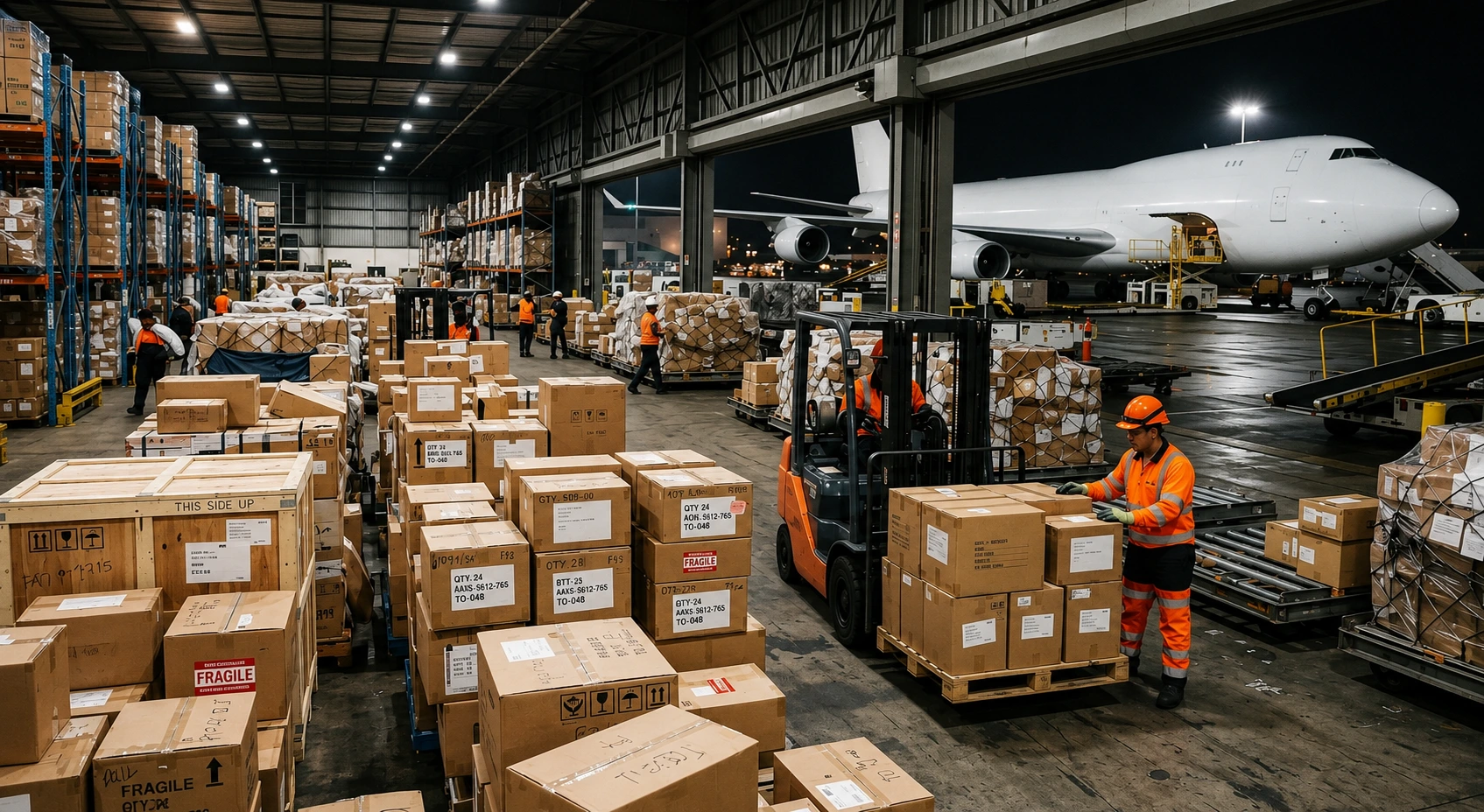
- In modern trade, supply chain agility is a must. Rising customer expectations, tight deadlines, and higher demand for rapid delivery make businesses solely rely on Air Freight to bridge distances between borders. But the speed and global trade complexities in modern logistics make the margin of error virtually non-existent.
When you ship by Air, the financial and operational stakes are very high. Air freight is a premium mode of transport, and operational errors can be costly. A documentation oversight can trigger a domino effect that disrupts the supply chain, halts entire production lines, and damages customers’ trust.
-
Why Air Freight Errors Have Become More Expensive for Businesses
In the past, a delayed Air shipment might have caused a minor inconvenience. Today, due to the nature of manufacturing and e-commerce, it can disrupt the entire supply chain.
- Businesses that operate under inventory pressure shift towards just-in-time (JIT) manufacturing to remove buffer stock. When an Air Cargo shipment is stalled at the airport due to documentation, manufacturing might be forced to halt its production line.
-
-
- Customer commitments have evolved over the years. Whether fulfilling B2B contractual obligations or delivering consumer goods, the expectation is reliability. Failing to meet these commitments results in financial penalties and long-term damage to the brand’s reputation.
-
-
Industry Insight:
- When businesses rely on Air Freight, they’re paying extra for speed and predictability. As supply chains become more timely, businesses are emphasizing shipment tracking and proactive risk management. Many logistics professionals recognize proactive risk assessment as the new industry standard. This means that any error that compromises this turns a strategic logistical advantage into an expensive liability.
-
-
-
Common Air Freight Mistakes That Businesses Still Make
Even while having access to advanced digital tools, many companies continue to stumble over fundamental operational hurdles. To address these mistakes, businesses must shift from reactive shipping to proactive cargo readiness.
-
Documentation Errors
Freight documentation errors can bring a supply chain to a halt. The most frequent cause of Air Cargo delays is not bad weather or mechanical failure, but incorrect paperwork.
1) Incorrect Commercial Invoices: Values that don’t match the packing list or miss currency declarations.
2) HS Code Issues: Misclassification of goods can lead to incorrect tariff application, costly fines, and cargo holds.
3) Missing Paperwork: Failing to provide certification of origin, dangerous goods declarations, or required permits.
4) Customs delays: Providing incomplete or false data can slow down the process of customs clearances and leave cargo stranded in the terminal.
-
Prevention Tip:
Implement a pre-flight documentation audit that ensures your data is verified against the destination country’s regulations before the cargo leaves your facility. To navigate complex regulatory compliance, consider leveraging professional customs clearance services.
Real-World Example:
A critical medical device shipment was delayed for four days at the airport because the commercial invoice details didn’t match the customs documentation requirements. This caused a major hospital to postpone scheduled procedures and severely damaged the supplier’s reputation.
-
Late Capacity Bookings
Many procurement teams treat air cargo logistics as an on-demand service and assume that space will always be available. This causes a critical misunderstanding of how airlines work to manage capacity and yield.
1) Airline Space Shortages: Passenger flights and freight forwarders often operate at maximum capacity on major trade lanes.
2) Peak Season Challenges: During the retail surges or pre-Lunar New Year rushes, space is filled weeks in advance.
3) Last-Minute Planning: Booking cargo 48 hours before departure guarantees that you’ll pay premium express rates, if the airline accepts the bookings at all. -
Prevention Tip:
- Transition from reactive and transactional bookings to proactive block-space agreements or forecasted allocations.
-
-
-
Best Practice:
- A capacity planning review with your freight forwarder at least four weeks before the known peak seasons. This secures space earlier and protects your budget from volatile market pricing.
-
-
-
Poor Shipment Readiness
A booking confirmation means nothing if the physical goods aren’t ready to move. Cargo readiness is a fundamental pillar of smooth transit and regulatory compliance.
1) Packaging Issues: Crushed cartons, unbanded pallets, or cheap packaging that doesn’t withstand the rigors of handling.
2) Cargo Acceptance Delays: Arriving at the group handling agent (GHA) with incorrect dimensions or weight can result in immediate rejection and re-weighing fees.
3) Missing Compliance Checks: Failing to properly label and pack lithium batteries, liquids, or other restricted commodities. -
Prevention Tip:
- Start by standardizing your outbound warehouse protocols, which helps to ensure that all export dimensions and weights provided to your freight forwarders are final and your packed cargo is ready to ship.
-
-
-
Expert Insight:
- Companies that consistently review shipments’ readiness often experience fewer operational disruptions. Accurate dimensional weight calculation before dispatch helps to prevent surprise billing and airline rejections at the terminal.
-
-
-
-
Focusing on Speed Instead of Supply Chain Planning
-
Air cargo logistics is fast, but heavily relying on it to fix upstream failures is a risky habit.
1) Emergency Shipments: Constantly speeding up your cargo because of poor manufacturing timelines.
2) Inventory Planning Failures: Using costly transport modes to compensate for insufficient safety stock levels.
3) Reactive Logistics Decisions: Choosing the first available flight without deferred routing options that offer better value. -
Prevention Tip:
- Streamline your inventory planning with your logistics strategy. Often, a deferred routing that takes 4 days instead of 2 can save significantly on transport costs without negatively impacting the final delivery window.
-
Industry Perspective:
- Premier supply chain managers are now shifting to ‘ship it exactly when it needs to arrive.’ This nuanced approach to shipment planning balances speed with cost efficiency and reduces the reliance on emergency transport.
-
Limited Shipment Visibility
-
Once cargo departs from the loading dock, many shippers only rely on outdated spreadsheets and manual emails for location updates.
1) Tracking Issues: Inability to see updates according to milestones reached. (E.g., “Departed”, “Arrived”, etc.)
2) Communication Gap: Delays or not receiving notifications about routing changes and offloads.
3) Slow Response Times: By the time a delay is communicated, it is too late to implement a backup plan. -
Prevention Tip:
- Integrating your digital visibility tools and demanding automated milestone alerts from your freight forwarder helps to manage exceptions in real-time. Combining Supply Chain Services with API connectivity can help to bridge these communication gaps.
-
Real-World Example:
- A manufacturer faced a massive production line halt because they were unaware of the raw materials that they had been offloading from a connected flight. If they had real-time cargo visibility, they could have sourced interim materials locally to keep the production line running.
-
-
The Hidden Cost of Repeated Air Freight Mistakes
While evaluating the impact of logistical errors, many business leaders often focus on the transportation invoice. But the true damage lies in the hidden costs that ripple throughout the company.
-
Repeated risk management failures can lead to loss of customers’ trust. When a buyer can’t rely on your delivery dates, they will source it from a competitor who offers better reliability. Operational hurdles also create inventory shortages that inevitably lead to production delays. If a factory floor sits idle and waits for components to arrive, the cost per hour makes the actual shipping fee look cheaper.
These repeated errors cause operational inefficiencies within your own teams. Import managers spend days firefighting these customs clearance challenges instead of focusing on strategizing. Over time, these issues damage your business’s reputation in the market. This makes it harder to secure premium contracts and negotiate favorable terms.
-
Best Practices to Reduce Air Freight Risks
Transitioning from reactive firefighting to proactive air cargo optimization, businesses must implement a structured and repeatable process.
-
-
Create a Shipment Readiness Checklist
-
Before bookings are requested, your warehouse and export teams must complete a checklist to verify that commercial documents match physical quantities. Verifying that weights and dimensions are final and all cargo is packed and banded according to international aviation standards is essential, too.
-
Plan Capacity Earliest
-
Stop spot-quoting every single shipment. Provide your logistics partner with a 30-to-60-day forecast of your expected capacity. This allows them to ensure that all allocations are on a preferred route and are protected from sudden market capacity crunches.
-
Conduct Documentation Reviews
-
Treating freight compliance with the same thoroughness as financial compliance helps to establish a ‘Four-Eyes’ principle. Where two distinct team members review commercial invoices, packing lists, and origin certificates before digitally transmitting them to the destination broker.
-
Best Practice:
- Conducting a documentation audit before cargo reaches the airport helps to reduce customs-related delays. Sending documents to the broker for pre-clearance checks, 48 hours before departure, is a proven strategy that helps to ensure seamless entry.
-
Improve Internal Coordination
-
When sales teams are closing a massive deal, the logistics team must be informed immediately so that they can begin capacity planning. Communication bottlenecks are the root cause of most reactive and premium express shipments.
-
Develop Backup Logistics Plans
-
Stop relying on a single routing or a single carrier. When a specific port or region is experiencing weather delays or labor strikes, your team should already know the alternative gateways. Having a Plan B and a Plan C helps when a crisis occurs.
-
Expert Insight:
- The most resilient supply chains always have a contingency plan to avoid failure. Expanding your reach to diverse transit hubs and working with asset-light forwarders helps to provide the agility to reroute cargo.
-
-
Air Freight Risk Assessment Framework
To mitigate errors, businesses must identify their vulnerabilities. By using this framework, businesses can evaluate their current operations.
Risk Area
Business Impact
Prevention Strategy
Documentation Inaccuracy
Customs holds, storage fees, compliance penalties
Implement pre-booking document audits and verify HS codes
Capacity Shortages
Missed flights, reliance on premium spot rates
Forecast volume 4-6 weeks prior and secure space during peak season
Packaging & Dimensions
Cargo rejection at the terminal, repacking delays
Enforce strict vendor compliance guides for palletization and IATA standards
Visibility Blind Spots
Inability to react to delays, lost customer trust
Integrating API/EDI tracking tools and demand milestone updates from partners
Misclassified Cargo
Hefty fines, grounded aircraft, legal action
Utilize certified dangerous goods inspectors and strict internal training
Reactive Routing
Inflated logistics budgets, unoptimized transit
Develop SOPs with primary, secondary, and alternative routing options
-
-
-
How Verden Logistics Helps Businesses Improve Air Freight Performance
While navigating the complexities of international trade, businesses need a logistics partner that understands the mechanics of global supply chains. As Verden Logistics operates from Dubai, UAE, we primarily focus on delivering business outcomes for our clients by eliminating operational friction.
- Whether you need robust international air freight planning or reliable air freight forwarding in Dubai, our approach is deeply rooted in proactive risk reduction. By assisting procurement and supply chain teams with long-term capacity planning, we ensure that even volatile markets have guaranteed space.
-
-
- Our comprehensive air freight services are backed by rigorous compliance management and documentation support that drastically reduces customs clearance delays. By combining end-to-end shipment visibility, Verden Logistics gives businesses the actionable insights needed to keep their operations moving smoothly. When you integrate our broad Supply Chain Services, you can transform your logistics from being cost-centric to a strategic and competitive advantage that ensures your cargo is compliant and on time.
-
-
Key Takeaways
1) Documentation errors are the leading cause of shipment delays: Inaccurate HS codes and mismatched invoices can cause customs holds and unexpected storage fees.
2) Reduce peak season disruptions by capacity planning: Forecasting volume early helps to avoid the trap of premium last-minute spot market rates.
3) Improve response time by improving shipment visibility: Real-time tracking allows businesses to manage delays proactively.4) Reduce customs issues with compliance reviews: Pre-auditing paperwork ensures packaging meets international airline standards, which guarantees smoother terminal acceptance.
5) Strategic logistical planning improves supply chain resilience: Stop the reactive or emergency shipments and utilize planned consolidation that saves money.
6) Prevent terminal rejection with cargo readiness: Measuring chargeable weight and dimensions helps to avoid budget overruns.7) Partnering with experts mitigates operational risk: Working with professional forwarders provides specialized Air Cargo logistics that ensure seamless execution.
-
-
Conclusion
Competing in global trade demands speed, but more than that, it demands preparation, strategic foresight, and flawless execution. By avoiding common operational pitfalls like inaccurate documentation, last-minute bookings, and poor shipment planning, businesses can protect their margins and maintain their competitive edge. By optimizing your Air Freight operations, we help you take control of your supply chain instead of letting market volatility control you. Proactive planning, strict regulatory compliance, and flawless internal coordination are the benchmarks of a resilient logistical strategy.
- If you’re facing operational disruptions or looking for a logistics partner that elevates your shipping efficiency, contact Verden Logistics to discover how our tailored solutions can streamline your global trade.
FAQs (Frequently Asked Questions)- 1. What causes most air freight delays?
Ans.:- Most delays are caused by inaccurate or missing documentation, customs clearance holds due to incorrect HS codes, and failure to comply with cargo readiness. - 2. How can businesses reduce air freight documentation errors?
Ans.:- To reduce these errors, businesses can implement strict pre-flight document audits, digitalize manual data entry to avoid typos, and work closely with licensed customs brokers who help to ensure all invoices and packing lists meet the requirements. - 3. Why do shipments get delayed during peak seasons?
Ans.:- During the peak seasons, such as the holiday rush, passenger and cargo airlines experience major space constraints. If shippers rely on last-minute bookings, their shipments are often held back due to a lack of available aircraft space. - 4. How can companies improve air freight planning?
Ans.:- Companies can improve planning by shifting from reactive “firefighting” to sharing long-term volume forecasts with their logistics partners. Establishing standard operating procedures and utilizing consolidated deferred routings also helps to improve overall planning. - 5. What should businesses look for in an air freight partner?
Ans.:- Businesses should look for a partner that offers proactive capacity planning, deep regulatory and customs expertise with real-time shipment visibility technology, and a consultative approach to mitigate supply chain risks. - 6. How does Verden Logistics help reduce air freight risks?
Ans.:- Verden Logistics reduces risks by providing expert documentation support, offering end-to-end shipment visibility, and planning customized backup routings that ensure your supply chain stays resilient against global disruptions.
-
-
-
-
-
-
-
-
-
-
-
-